The word "khana" in Indian Khana Made Easy means food. So come on, let's explore and cook some easy Indian food together including gluten-free and vegan dishes.

.

February 2, 2022

Warm Up with Tea - Tea Culture

“Teaism is a cult founded on the adoration of the beautiful among the sordid facts of everyday existence. It inculcates purity and harmony, the mystery of mutual charity, the romanticism of the social order. It is essentially a worship of the Imperfect, as it is a tender attempt to accomplish something possible in this impossible thing we know as life.”
― Kakuzo Okakura, The Book of Tea


Join us as we explore tea culture and traditions around the world. We start our journey in Asia and then make our way to the Middle East, Europe and then finally end in the USA.  As you read on, you will discover that in some countries, people add more than just milk and sugar to their teas. Some even add butter or cheese. Let's begin...


JAPAN 

Photo by Matcha & CO on Unsplash


Tea was introduced to Japan in the 9th century, via monks who had traveled to China. Tea has since been a part of the Japanese way of life. Tea is available everywhere in Japan and it is consumed either hot or cold, throughout the day, even during meals. The Japanese mainly consume green tea grown within Japan notably in the Shizuoka region.

The ceremony involves preparing, serving, and drinking tea, mainly matcha, in an artful manner. Each action, object, and placement are highly precise and have a meaning behind them. It is a way to showcase their appreciation for tea, entertain guests, and honor traditions. More importantly, however, the ceremony provides the opportunity to find tranquility from within and embraces being one with nature, respect, and discipline. The rituals take a lot of time, thus allowing people the opportunity to take a break from their busy lives.


TAIWAN...

Bubble tea is a cold beverage traditionally made of black tea, milk, sweeteners, and chewy balls made of tapioca starch called Boba. 


Boba Bubble Tea photo by Lisanto 李奕良 on Unsplash


Nowadays, the drink can be made with all types of green, black, floral, or fruit teas with diverse toppings ranging from classic boba to syrups, fruit jellies, and even cheese. This unique and fun drink reached international markets and became a hit there as well, becoming one of the trendiest drinks in the last couple of years and a symbol of Taiwanese identity.


CHINA

In China, hot tea is enjoyed at all times. It can be consumed either at home or in tea houses. Since the Southern provinces in China produce most of the tea in the country, the tea culture is more prominent there.
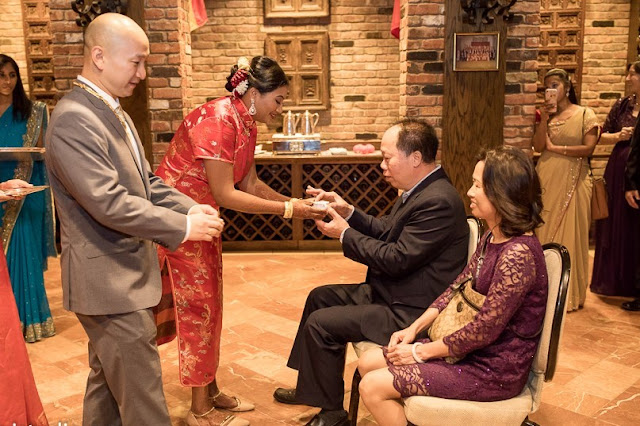

Tea ceremony from my wedding


Tea plays an important role in Chinese weddings. The bride and the groom serve tea to their parents as they verbally thank them for raising them. The parents drink the tea to bless the marriage. If they don’t, it means that they do not approve of the marriage. 

When my husband and I got married, we included rituals from both of our cultures into the wedding. We started the day with a Hindu wedding and then proceeded to the tea ceremony. We served tea to both of our parents as well as our elders. It was a nice way to bring our families together. 

In everyday life, the youngsters serve tea to elders or, a junior will serve tea to their superior, as a sign of respect, and when applicable, a sign of apology too.


RUSSIA

Tea served in glasses with metal handles; photo by Alexandr Popadin on Unsplash


Tea was first introduced when Mongolian diplomats visiting Moscow gifted a chest of tea to the Czar in the 17th century. It was made available through trade between Russia and China over the next 2 centuries.

In the Russian tea tradition, a samovar is the key component and acts as the main centerpiece. The samovar would be used to make tea by placing a teapot full of strong black tea and is attached at the top of a samovar to brew a concoction called zavarka. This tea would be served in glasses with metal handles and decorations. Then, hot water would be added to the liquid to dilute it and a spoonful of jam or sugar would be mixed to sweeten the drink. Tea was usually served after dinner.


INDIA

Tea plantations in Munnar, Kerala


India is the 2nd largest producer of tea in the world. The beverage holds a special place in Indian society. Tea in Hindi is called chai and it is the most consumed beverage after water. Some people drink chai even more than water. Assam and Darjeeling teas are the most popular teas in India.

Chaayos Tea cafe, Bangalore India

My husband and I had the opportunity to enjoy delicious Chai during our last trip to India. Chaayos (new tea cafe/house) was launched in a nearby mall across from our hotel in Bangalore. We were lucky enough to be there for opening night and enjoyed masala chai. In their tagline, they boast there are "80,000 ways to make your "meri wali chai", which means your kind of tea. 


In India, tea is the implied drink of hospitality, as it is the first thing a host would offer to their guests. Though there are many ways to prepare chai, the most common preparation is the masala chai.  Black tea is brewed in water, milk, spices, and sugar creating a rich, luxurious, and flavorful tan color beverage. Indians like their chai piping hot and will almost never refuse a cup. 


Even though masala chai is most prevalent, there are other preparations of tea in various regions. For example, the Kashmiri Kahwa is made of a type of green tea. The tea is brewed in water along with whole spices such as cardamom, cinnamon, and saffron in a traditional copper kettle called the Samovar, which is fueled by live coals. 


Photo of Samawaar by Muazam Mohi ud din on Unsplash

Once the tea is ready, sugar and chopped almonds are added to the drink. The end result is a beautiful, aromatic, and warm yellow-colored drink that revitalizes the soul while simultaneously keeping the body warm during the harsh Kashmiri winter.


TIBET

How about adding some salty butter to your tea? Po cha, the traditional tea of Tibet, is made by boiling a brick of Pemagul black tea for hours. Then milk, salt, and yak butter are added, and the mixture is then churned together. It is said this blend with a soup-like consistency is uniquely comforting and fortifying in the high-altitude and cold climates. Variations of this tea also include peanuts or walnuts. Would you try this tea? I'm not sure how I feel about adding butter to my tea! 


PAKISTAN

Tea is a common drink and a courtesy extended to guests across Pakistan. An element of Kashmiri culture, Noon Chai is a special blend of tea that includes a mix of pistachios, almonds, salt, milk, and spices like cardamom, cinnamon, and star anise. It's easy to pick out because of its signature pink color, which can be enhanced with a bit of baking soda Noon Chai is served on special occasions with pastries like sheermaal, kandir tchot, bakarkhani, and kulcha. More casually enjoyed is "Doodh Pati," or milk tea which is made with milk only.


IRAN

After tea caught on in India and China, the taste for it spilled down the Silk Road and into the Middle East by the 15th century, sparking the rise of tea houses known as chaikhanehs. However, it wasn't until the 20th century that Iranians began growing their own black tea, making it a nationally embraced beverage, which now welcomes guests and is a crucial element in social life. A silver tray customarily carries in the drink, which is accompanied by a bright yellow rock candy called nabat. So constant is tea's presence in Iranians' lives that its kettle will be kept on a stove burner all day. Tea is served very strongly. Rather than mixing in sugar to counteract the bitterness, you're encouraged to place a sugar cube between your front teeth and suck the strong brew through it. 


TURKEY

Turkey is usually associated with their famous Turkish coffee; however, the Turks drink more tea compared to coffee on a daily basis. At present, they are the highest consumers of tea in the world, with per-person consuming approximately 1,300 cups of tea annually. Tea in Turkish is calle çay (pronounced chai).

The Turks prefer drinking piping hot black tea brewed in plain water sweetened with a sugar cube. Milk, lemon, or syrups are not usually added to the cup. I feel milk mellows out the tea taste, so I prefer to drink tea without milk as well. The Turks are my kind of people. 


Turkish tea with sugar cubes


The tea is prepared in a samovar or, a double teapot, çaydanlık in Turkish. Water is boiled in the larger pot at the bottom, while the small pot on top contains tea leaves. The water is first boiled separately in the large pot. Once boiled, the small pot with the tea leaves is filled halfway with the water. The small pot is then placed on top of the larger pot and the whole thing is left to boil for 15-20 minutes. This gives time for the tea leaves to steep in the water while more water boils at the bottom. After the time elapses, the tea leaves are strained. The result is a clear tea with a reddish hue. It can be really strong and be consumed as is or, it can be diluted with water from the pot. Tea is poured into small tulip-shaped glasses without handles. The small glasses are then served on small saucers designed to place the glass. There is no specific time to drink tea, as people drink it from morning to night. We were fortunate enough to have Turkish tea during our trip to Istanbul in 2015. We enjoyed the fragrant tea. It was comforting and a nice treat after a long day of sightseeing. 


MOROCCO 

Photo by Jaida Stewart on Unsplash


Touareg tea (also known as Maghrebi mint tea) is a mix of mint, green tea leaves, and a generous serving of sugar; it is the customary blend in Morocco. The tea is poured from up high into slim, delicate glasses, and it's served three times to guests. Each time the flavor varies slightly. Per the proverb: "The first glass is as gentle as life, the second is as strong as love, the third is as bitter as death." Refusing any one of these servings is considered the height of rudeness. 


UNITED KINGDOM

Tea clearly plays an important role in British culture. This importance created many tea rituals in Britain. One of the most popular rituals, that is followed not only in the UK but also around the world, is the English Afternoon Tea ritual. 
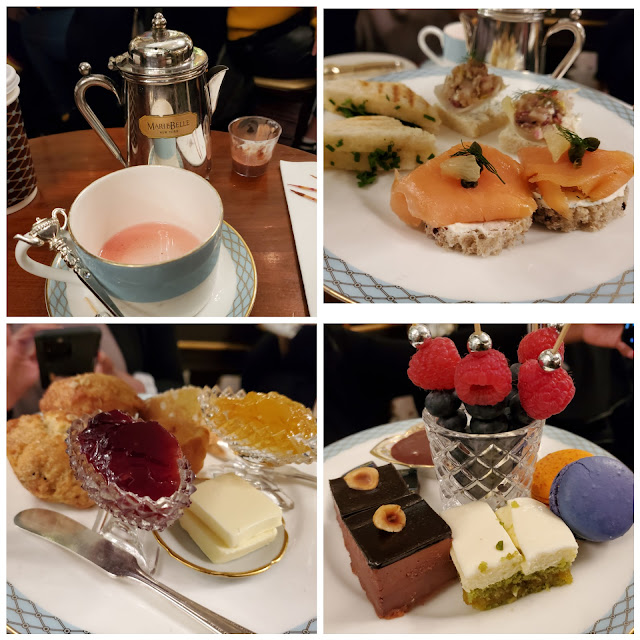
Afternoon Tea at MarieBelle, New York City


Afternoon tea is a small meal between lunch and dinner, and an English tea ritual where, a cup of tea is served with sandwiches, cakes, and pastries between 3:30 to 5 PM. My sister and I enjoyed afternoon tea with crumpets and desserts on one of our girls' weekends in NY. I felt like I was in high society. 

Drinking tea is part of everyday British culture. It is also a way to socialize with each other, wherein friends and relatives chat over tea. Hot English breakfast tea with milk is the most common tea in the UK.


UNITED STATES


Tea came to the US along with the Britishers. Approximately 80% of US households consume tea. It is served hot or iced,  anytime, anywhere,  for any occasion. On any given day, over 159 million Americans are drinking tea. Approximately four in five consumers drink tea, with Millennials being the most likely (87% of millennials drink tea). On a regional basis, the South and Northeast have the greatest concentration of tea drinkers. Approximately 75 - 80% of tea consumed in America is iced.


Tea is a versatile beverage that originated thousands of years ago in China and propagated throughout the world via trade routes and colonization. The silk route played a key role in the expansion of Tea culture along with many other cultural exchanges. 


We had fun learning about how tea is consumed in different countries and the rituals that are practiced with tea. Tea is more than just a beverage; it can sometimes be an elixir that can calm the senses and help you contemplate life.  So, cheers to having a ‘Cup of Tea’ and see where it leads you!

For our readers: Have you participated in any of these tea cultures or traditions? What is your tea culture? Let us know in the comments.  We love hearing from our readers. 


Footnotes

https://www.mentalfloss.com/article/72891/15-tea-traditions-around-world

https://www.yoair.com/blog/tea-culture-8-ways-the-world-enjoys-tea

January 31, 2022

Warm Up with Tea - Origins


"There is something in the nature of tea that leads us into a world of quiet contemplation of life." - Lin Yutang, the author of "The Importance of Living"


Photo by CHI CHEN on Unsplash

January 12th was National Hot Tea day.  Did you warm up your day with a hot cup of tea? It's hot tea day for us every day.  TEA makes us feel many things like TranquilEnergetic, and Awake.


Did you know that Tea is the 2nd most popular drink in the world next to Water?  It is consumed approximately 3.7 billion cups on a daily basis according to Euromonitor Sept 2020. It is the only beverage commonly served hot or iced, anytime, anywhere, for any occasion.  On any given day, over 159  million  Americans are drinking tea.


 Origins of Tea Culture

How did this drink or beverage become so popular? What is the history behind Tea culture or its origin? Tea is nearly  5,000  years old.  Purportedly discovered in  2737  BC by  Chinese  Emperor  Shen-Nung,  aka “The  Divine  Healer”.   Legend has it,  some tea leaves accidentally blew into the Emperor’s pot of boiling water and created the first tea brew.  According to  Chinese tea scholars,  the  Emperor,  as a botanical explorer,  accidentally poisoned himself some  85  times,  and was cured each time by this wonderful brew. 

Tea has been consumed in China for thousands of years on record dating from the Shang Dynasty (1500 BCE–1046 BCE), where it was consumed in Yunnan province primarily as a medicinal drink. 


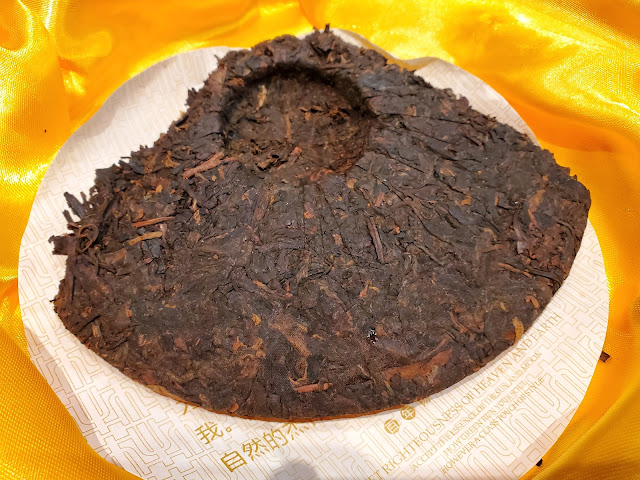
Compressed Pu'erh tea cake


By the Tang period (618- 907 CE), tea had become popular and was widely enjoyed as a refreshing beverage, prepared from leaves that had been moistened and shaped into a dense brick. Anecdotal evidence from the 8th century CE reports that the city of Chang-an had a large number of flourishing tea shops, many of which advertised the health benefits of tea drinking. 

Later, during the Song dynasty (960 – 1279 CE) the brick form of tea was replaced in popularity with loose leaves which were often ground into a fine powder and, increasingly, flavored with different substances. Over time tea houses began to appear across large cities making tea more accessible outside of elite society.  As it grew in popularity, tea became associated with homeliness and was drunk daily as well as served to guests to welcome them.1 


The Diffusion of Tea Culture along the Silk Route

From China, tea spread across the Eastern Silk Road to Japan and the Korean Peninsula. In Japan, the beverage developed close connotations with religious and social rituals owing to the fact that it was commonly consumed by Buddhist priests. In the 6th century, CE envoys were sent from Japan to China to learn about tea and its associated culture, and seeds were imported via the Silk Road in order for the plant to be cultivated in Japan. 

Tea soon became prominent in creative circles, including within poetry and literature, as poets and artists wrote about the joy of tea and explored tea customs and associated traditions in their work. A great example is a poem called "Seven Bowls of Tea" by Lu Tong from 790-835CE. Lu Tong's poem was a favorite for centuries and even carved on tea jars.  What does his poem convey to you about tea?  


The first cup caresses my dry lips and throat.
The second shatters the walls of my lonely sadness.
The third searches the dry rivulets of my soul to find the series of five thousand scrolls.
With the fourth the pain of past injustice vanishes through my pores.
The fifth purifies my flesh and bone.
With the sixth I am in touch with the immortals.
The seventh gives such pleasure I can hardly bear
The fresh wind blows through my wings,

As I make my way to Penglai [the mountain of the immortals].2


The tea trade spread from China and Mongolia to the Indian Subcontinent, Anatolia, the Iranian Plateau, and beyond eventually reaching Europe and North Africa. Tea was also intricately linked to another flourishing Silk Road trade that became the basis for a number of complex interactions within the arts, that of ceramics, and specifically, porcelain. 

Although there are many regional variations, many cultures along the Silk Road share tea drinking customs and traditions. Today, cultures and regions around the world have continued to adapt the ubiquitous product according to their own societal norms, with brewing processes, flavoring, and social rituals varying from place to place. 

We hope you enjoyed learning more about the origins of tea and tea culture. Stay tuned as we explore varieties of tea and more of tea culture in our next posts. 


November 5, 2021

Diwali with a Millet Twist - Bajra Ki Halwa


 Happy Diwali from my family to yours!


Holidays/ festivals are better with family and friends. This year is the first time in a while that I was home with my parents on Diwali. We ate pheni, drew rangoli, lit diyas, made sweets, and did fireworks. We're continuing the celebration into the weekend when my sister and husband join us too. Check out the 'sweet' recipe we made today. Hope you enjoy it! 

Bajra ki Halwa (Pearl Millet Flour Halwa) - Gluten Free

Pearl Millets are rich in fiber, protein, and essential minerals; above all, they are gluten-free. 

Ingredients
  • ½ cup (80 g) Bajra flour
  • 2 Tbsp less ½ cup (80 g) sugar
  • 5 Tbsp Ghee (Clarified butter)
  • 1 and 1/4 cup water
  • 1 Tbsp coconut powder (desiccated)
  • 10 to 12 cardamom pods, seeded and powdered
  • 8 Roasted cashews, coarsely chopped
  • 1/8 cup sliced almonds

Preparation
1) Heat ghee in a small skillet and add bajra flour and stir constantly until the ghee is mixed in. Roast the flour in ghee until a nutty aroma is felt (3-5 minutes), stirring all the time to avoid over roasting or browning. 

2) Add water and sugar and keep mixing until the water is absorbed (2-4 minutes) and the flour thickens into halwa. Continue on low heat and mixing as the halwa thickens further and forms a silky smooth lump without sticking to the walls of the skillet. 

3) Mix in coconut and cardamom powder and ¾ of almonds and cashews and stir for another 1 to 2 minutes and transfer the halwa into a bowl or a plate to cut into pieces. After transferring into a plate, using a spatula press the halwa flat and evenly. Sprinkle the remaining cashews and almonds and slightly press them in. 


4) Allow it to cool for 30 minutes and cut them into the desired shape of squares or diamonds.  


Alternately transfer into a serving bowl and garnish the halwa with the remaining cashews and almonds. Enjoy the warm halwa in the cold winter; it boosts your strength with nutrition. 

October 12, 2021

Chinese Bitter Melon and Potato Stir Fry

Be honest. Have heard of bitter melon (Chinese) before? If yes, how many of you like bitter melon? 

We love it! It's healthy and good for you. We also find it less bitter than the Indian bitter melon (or karela).  

There are so many ways to enjoy bitter gourd; you can stir fry it, stuff it, or even make a chutney with it. How do you enjoy bitter melon?  


I didn't know there were different types of bitter melon until my mother-in-law gave me a tour of her garden. She has the magic touch and patience to grow them.


I tried growing them this year, but mine only grew to the size of a potato. While hers can grow up to 8 or 9 inches in length. 


I'm still a novice, but I'll get there someday. For now, I get all my bitter gourds from her and make yummy dishes. Don't forget to check out the Bitter Melon and Potato Stir Fry recipe below:


Ingredients
  • 1 large Chinese bitter melon 
  • 1 small potato, peeled and chopped into 1/2" slices
  • 1 small to medium onion, coarsely chopped
  • 3/4 tsp dry garlic chutney
  • salt (as per your taste)
  • Fresh cilantro/coriander (optional), chopped (for garnish)

Preparation
1) Chop the bitter melon once lengthwise and then into 1/4" thick slices (as shown below).


Place the bitter gourd pieces in a bowl, sprinkle a little bit of salt and water over them, and microwave for 2 minutes. 

2) Heat oil (on medium flame) in a medium saucepan and add onion and potato. Sprinkle a little bit of salt and stir fry for 2 to 3 minutes or until the potatoes are soft. 


3) Then, add bitter melon, and cover with a lid. (Note: Add more oil if necessary; to prevent the mixture from burning). Stir every few minutes until onions, potatoes, and bitter melon are caramelized for about 8 to 10 minutes. Next, add dry garlic chutney powder and continue to stir fry for another 3 to 4 minutes. 


4) Switch off the heat and add fresh cilantro/coriander. Serve hot with rice or roti.


Quick Tips
- We like using dry garlic chutney in our curries (i.e. Stuffed Eggplant) to make them spicy. I also like sprinkling it over avocado toast. It gives it a little kick, just the way I like it. This product is also available on Amazon*. Click on the image for the link. 


*As an Amazon Associate, I earn from qualifying purchases. 

September 13, 2021

Mushrooms La Jawab Appetizer


How are you celebrating National Mushroom Month? 


Here are a couple of fun facts about Mushrooms. According to a Food & Wine article: from 2019 to 2020, Pennsylvania sold 526 million pounds of mushrooms; that's 2/3 of the total amount sold in the United States. That's a lot of mushrooms! 😮

I also watched this interesting documentary called Intelligent Trees, which talked about the symbiotic relationship between mushrooms and trees. Both benefit from this relationship. The mushroom or fungus colonizes the tree's root tissues, improving the tree's moisture and nutrient absorption. In return, the tree provides the fungus carbs produced through photosynthesis. That's was really cool!  

Do you know some fun facts about mushrooms? Share with us. 

How many mushrooms can you name?  How many mushroom varieties have you consumed? I know a few and have eaten the following: cremini, shiitake, portobello, baby Bella, white button, black Truffle, and Enoki. 

We use baby Bella and white button mushrooms most often in our cooking, like when we make omelets, stuffed bell peppers, soups, as well grilled vegetables. They are more readily available as well. 

Check out our recipe for Tandoori mushrooms below that is made with a few ingredients and it's easy to make. 


Ingredients
  • 6 to 7 oz or 10 to 15 white button mushrooms, cut into 1" pieces
  • 2 tbsp Tandoori Paste (we used Deep brand)
  • 1 tsp plain yogurt (or as needed)
  • 1½ tbsp Vegetable oil
  • few sprigs of cilantro/coriander or basil (for garnish)

Procedure

1) Clean the mushrooms with a damp paper towel, and then chop them into half as needed; you can leave the small ones as is.


2) Add the tandoori paste to a bowl and mix in the yogurt to loosen it. Next, add the mushrooms into the bowl and toss with a spoon to coat the marinate well. Leave it in the refrigerator for at least 1 to 2 hours for the marinade to soak in. 


3) In a non-stick pan (saute pan or saucepan) heat oil on medium heat and when it's hot, add the mushrooms and mix well to coat with oil. 


Pan roast the mushrooms with a half-closed lid for a few minutes mixing intermittently. Remove the lid and allow the mushrooms to carmelize for 2 to 3 minutes or until oil is seen on the edges. The whole roasting and sauteing will take roughly about 7 to 8 minutes. 


4) Transfer the mushrooms to the serving plate, and garnish with fresh coriander or basil. You can serve this appetizer with any type of drink (alcoholic or non-alcoholic). 


We hope you try our recipe for this yummy appetizer and share your feedback with us by leaving a comment below. We love hearing from our readers. If you love mushroom dishes, check out Mushroom and Bell Pepper Szechuan Stir Fry and Mushroom and Bell Pepper Medley

August 10, 2021

The Story of Idlis: Chutneys and Accompaniments - Creamy Coconut Chutney


Does the aroma of spices wake up your senses? Does the grating of fresh coconut get you riled up? Then you really enjoy cooking and eating. 

Today we are making creamy coconut chutney that is served at most South Indian restaurants as a condiment or chutney for idli and/or dosa. 

I myself haven't eaten this chutney in a long time and was excited when my mom made warm, fluffy idli and served it with this creamy coconut chutney.  I think you can eat this chutney with any type of idlis


Ingredients
  • ½ cup of roasted chana dal
  • 1/3 cup of dry roasted and de-skinned peanuts
  • ¼ cup fresh coriander, chopped
  • 2 small green chilies or per taste, peeled and finely chopped 
  • 1" piece of ginger, peeled and grated
  • Size of walnut of dry tamarind, soaked in ¼ cup of water, remove strings
  • ½ tsp cumin seeds
  • ½ tsp salt, or per taste
Ingredients for the seasoning
  • 1 tbsp Vegetable oil
  • 1 tsp Urad/black gram dal
  • ½ tsp mustard seeds
  • ½ tsp cumin seeds
  • 1 dry red chili, broken into 1" pieces (optional)
  • a pinch of Hing or Asaphoetida
  • 5 to 6 curry leaves, chopped


Procedure
In the blender, add roasted chana dal, peanuts, cumin seeds, chilies, and powder the mixture. Next, add ginger, coriander, tamarind with water and salt, and then add enough water to make the mixture into a thick sauce consistency. Blend again to a smooth paste. Taste the chutney and add salt per your taste. Scoop out the chutney into a serving bowl. 

In an egg pan or tadka pan, warm oil on low to medium heat. Add urad dal and stir for 30 seconds until it turns golden. Then add mustard and cumin seeds, and red chili. Saute for another 30 to 40 seconds. When they sizzle, remove from heat and add Hing and curry leaves, stir for few seconds and immediately add the seasoning to the chutney. 


Mix well and serve the chutney with idli, dosa, vada, or upma per your liking. 😋

July 30, 2021

The Story of Idlis: Chutneys and Accompaniments - Tomato and Onion Chutney

We hope you enjoyed our posts on the story of idlis and idli varieties

Today's topic is chutneys and accompaniments. Just like how we dip French fries in ketchup, mayo, or chipotle sauce. Idlis can be eaten with various "condiments" or chutneys/accompaniments. 

How do you enjoy eating idlis? Do you dip them into chutney, podi, or sambhar? Everyone in my family has their own preference. When I was little, I used to eat idli with sugar, believe it or not. Now I prefer to eat with different chutneys like coconut chutney or tomato-onion chutney. I also enjoy eating with chutney powder or sambhar. 

When my husband and I visited my grandma in India in late 2019, we ate idlis for breakfast every day for a week. We really loved the chutneys that were packed with the idlis. One of the chutneys was the tomato and onion chutney. Please see the recipe below. 


Ingredients
  • 3 medium tomatoes, chopped
  • 1 medium onion, chopped
  • 1" fresh ginger, grated
  • 1 dry red chili, broken and deseeded
  • 1 tbsp urad dal (black gram lentil)
  • 3 cloves
  • 4 black peppercorn
  • dry tamarind (size of a walnut), soaked in little water
  • ½ tsp salt (or as needed)
  • 1 tbsp vegetable oil

Ingredients for Seasoning

  • 1 tsp vegetable oil
  • 1 tsp mustard seeds
  • ½ tsp methi (Fenugreek seeds) or as needed
  • 1 pinch Hing
  • 3 to 4 curry leaves
  • 1 dry red chili, broken into 1-inch pieces


Procedure

1) In a saucepan, heat oil on low/medium heat. Add urad dal and fry it until it turns reddish. Next, add red chili, cloves, peppercorn, ginger, and stir everything for 10 to 15 seconds. Then add chopped onions. Saute until the onions turn transparent; then add tomatoes, salt, and hing. Cook well for few minutes until the tomatoes are soft and done well. Cool it for 5 minutes.

2) Transfer the above mixture into a blender/ food processor, and add the soaked tamarind and blend to a smooth paste, adding additional water to the desired consistency if necessary. Taste to adjust the salt. Note: If the chutney is too sour or spicy, you can mellow it with a ½ tsp of brown sugar.  Transfer the chutney into the serving bowl.

 3) Heat oil for seasoning in a small tempering pan and add mustard and methi seeds. When the mustard sizzles, add red chili and hing and stir for 10 seconds. Add curry leaves in the end and give a few stirs and transfer the seasoning onto the chutney. Mix well and serve with Idli/ Vada or Dosa.

June 26, 2021

The Story of Idlis - Types of Idlis

We hope you enjoyed our previous post on the Story of Idlis. The concept of idli has inspired many culinary enthusiasts to innovate variations of idli making with slight deviations to the basic concept. 


Multi Millet Idli, Ragi Idli, Rava Idli, Masala Idli


The variations range in sizes, such as Tatte or plate size idli to Button or bite-size idli popularly called Rasa Idli (soaked in Rasam and eaten). 

What other types of idlis are there, you ask? Please scroll down to find out...


Conventional Idli by Kaushik

Conventional Idli is made up of soaked and ground Urad dal (black gram dal) and Rice in a 1:2 ratio. Then this dough mixture is fermented for 6 to 8 hours to make the fluffy cakes on an Idli plate.


Besides the conventional idli, there are idlis that are native to a certain part of India. Each variation of Idli has an interesting anecdote behind its creation. Let's take a look below:


1) Kanchipuram Idli by Kaushik


The identity of Kanchipuram idli has long been linked to the Varadharaja Perumal temple in Tamil Nadu where it is served as prasad. This flavorful Idli might even date back to the Pallava era (6th to 9th Century AD).

The batter is poured into a neatly wrapped Mandharai leaf and then placed in a basket inside a tall brass cooker to make these idlis. The idlis are steamed for almost three hours. Both the cooking process and the ingredients set this Idli apart. While the batter is quite similar to conventional idli, it is the seasoning ingredients (which include dried ginger, peppercorns, cumin, and asafoetida) that define the flavors.


2) Ravva Idli


Rava Idlis are made with Ravva (Sooji / Semolina) and vegetables; seasoned with mustard, Chana dal, curry leaves, and hing/asafoetida. The major difference between Ravva idli and the other types is that the batter is mixed with sour curds (or yogurt) and allowed to soak for 15 to 30 minutes to make the Idlis. Fermentation is not needed.


3) Mallige Idli by Savitha


Mallige Idli is a Conventional Idli recipe but poha (flattened rice) is also added with urad dal to soak and grind. Adding poha makes these Idlis very soft, fluffy, and white in color, hence the name Mallige (white as Jasmine in Kannada). Also called Kushboo Idli after the name of the popular Tamil actress.


4) Chiyali Idli is made with Yellow Mung dal. Dal is soaked and ground and made it into Idlis. Once it cools, it is cut into pieces. In a pan season with mustard, black gram dal, hing /asafetida, and then add chopped onions and tamarind pulp. Cook for few minutes and then add Mung Idli pieces and toss to coat well. Garnish with cilantro.


5) Palak Idli is like Ravva Idli; it requires no soaking or grinding. The batter consists of Semolina, sour yogurt tempered with seasoning, and some spinach/ Palak paste added to boost nutrition.


6) Masala Idli


If you are left with extra Idlis, they can be repurposed into Masala Idlis the next day sprucing up with some spices, onion, tomato, and Pav-bhaji masala. Since Idlis are porous, they soak up the flavors.


7) Podi Idli: In Podi Idli, a mixture of idli podi (Milagai podi or Idli Karam or Chutney Powder) and sesame oil or ghee is mixed and then smeared on the idlis. Podi Idli is very tasty and usually packed for travel journeys. Podi Idli can be made with either mini idlis or regular-sized Idlis.


Over the years, people explored idli beyond the conventional style (making with rice) and experimented with other grains to form: Raagi Idli with coarse Raagi (Finger Millets)Oats Idli with Quick or Old Fashioned Oats, and Jowar Idli with coarse Jowar flour (Sorghum Millet) - pictures below. 


8) Raagi Idli with coarse Raagi (Finger Millets)


Who knew there were this many types of idlis? We certainly did not. I'm sure there are some that we are not even aware of. 
 

What an amazing culinary journey of this versatile breakfast item that we find to be simply nutritious and easily digestible and can soak up flavors of the condiment or the accompaniment it is served with.


If you are dying to try these varieties, but do not want to go through the hassle of soaking, grinding, and fermenting the batter, you can buy instant idli mix. Instant mixes of some of these idli varieties are available in Indian groceries for hassle-free making. 


One last tidbit before you go: Did you know that the Defence Food Research Laboratory of India has developed a special recipe for Space Idlis so that Indian Astronauts can enjoy their favorite food while away from home/Earth? The Space Idlis are dried using Infrared Radiation that will increase its shelf life to more than a year. That's so out of this world! 


We hoped you enjoyed this historical journey of Idli from South Asia (Indonesia) to South India and its lift-off into Space! Hats off to Idli! 

Are there any types of idlis we missed, please share in your comments? We would love to hear from you. 


References: 

https://www.livehistoryindia.com/story/history-in-a-dish/where-did-the-idli-come-from/

https://www.vegrecipesofindia.com/masala-idli-recipe/


June 2, 2021

The Story of Idlis

Growing up every South Indian child remembers eating idli in many different ways. Idli is considered healthy, nutritious, and easy on the tummy (digestion); hence, it’s a friend to both mom and child alike. 


Plain idlis with tomato chutney

Traditionally, idli is made of soaked lentils and rice ground and fermented, and ladles of the dough steamed on Idli plates the next day. Many varieties of idlis are made with lentils and different grains in the 4 to 5 southern states of India; namely Tamil Nadu, Kerala, Karnataka, Andhra Pradesh, and Telangana. It became so popular that these days you can eat them all over India as well as abroad.


One of my fondest memories of eating idlis (aka steamed spongy white dumplings by westerners) is with sugar and a ton of ghee (clarified butter) drizzled on it for extra flavor. That sounds good right about now! 


After all these years of making Idli, I was intrigued by a news article on Idli in a science magazine that India has developed a recipe for Idli to be enjoyed by their crew in Space. Idli undergoes a technological makeover as a space food; cool for a traditional mundane food!!


Reading this article made me think about how Idli came into existence? What was its history? I immediately sought help from Google. According to food historian K.T. Achaya, Idli probably arrived in India from present-day Indonesia around 800-1200 CE. The region we now call Indonesia was once ruled by Hindu kings of the Shailendra, Isyana, and Sañjaya dynasties, and cooks accompanying the royals on their visits to India probably brought the recipe along with them. Acharya points out that Indonesian cuisine has a long tradition of consuming fermented and steamed foods, and the Kedli appears to be the closest relative of the Idli. Also supporting the Indonesian origin theory is the close ties between India and Southeast Asia in ancient times, although, with time, the Kedli seems to have disappeared from Indonesian kitchens.


However, there’s another twist in the Idli tale. Using references at the Al-Azhar University Library in Cairo, food historian Lizzie Collingham traces the Idli to Arab traders who settled on the South Indian coast in medieval times. According to the Encyclopedia of Food History, edited by Collingham and celebrity chef Gordon Ramsay (Oxford University Press), the Arab settlers insisted on consuming only halal (food and drink permissible by Islamic law) food. They found rice balls as a safe option. These rice balls were slightly flattened and eaten with bland coconut gravy.


However, as Acharya pointed out, the process of mixing Urad dal and Rice grains, and fermenting the mixture seemed to be a later innovation even though there weren’t any references to this process being invented at any particular time. 


Regardless of its origin, Idli has become a popular South Indian breakfast item, which is commonly eaten with sambhar and coconut chutney. We enjoy eating idlis with tomato chutney as well as chutney powder (aka gunpowder). 


We hope you enjoyed reading about the Story of Idlis. Don't forget to check back on this series about Idlis in the next couple of weeks. Our second post in the series is all about types of idlis